Table Bases: What Actually Holds the Slab Up
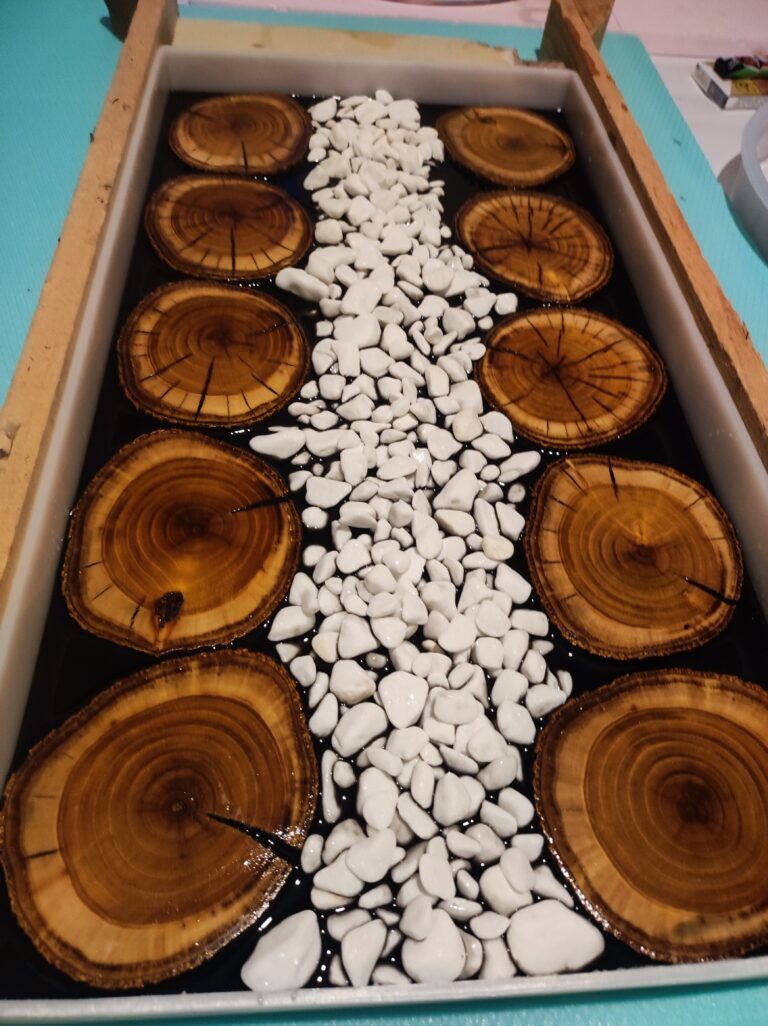
Everyone chooses the top. Almost nobody chooses the base — and the base is what decides whether the table is comfortable to sit at.

Everyone chooses the top. Almost nobody chooses the base — and the base is what decides whether the table is comfortable to sit at.
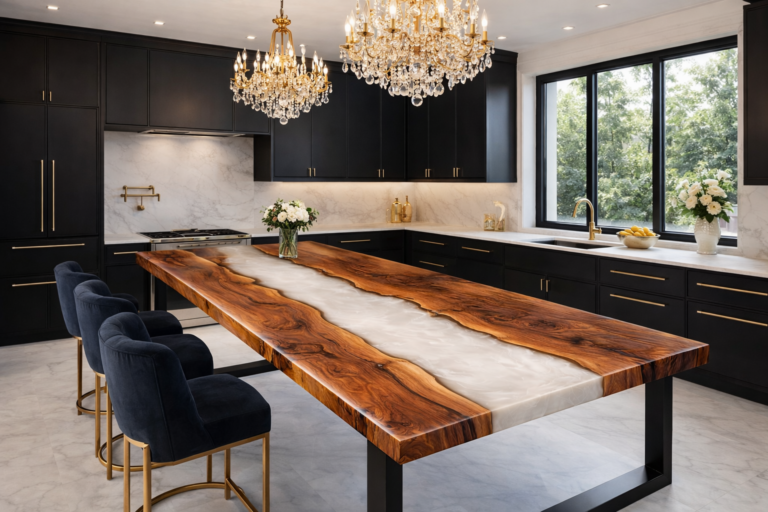
The whole answer turns on one distinction: epoxy while it cures and epoxy once it has. They are not the same material.
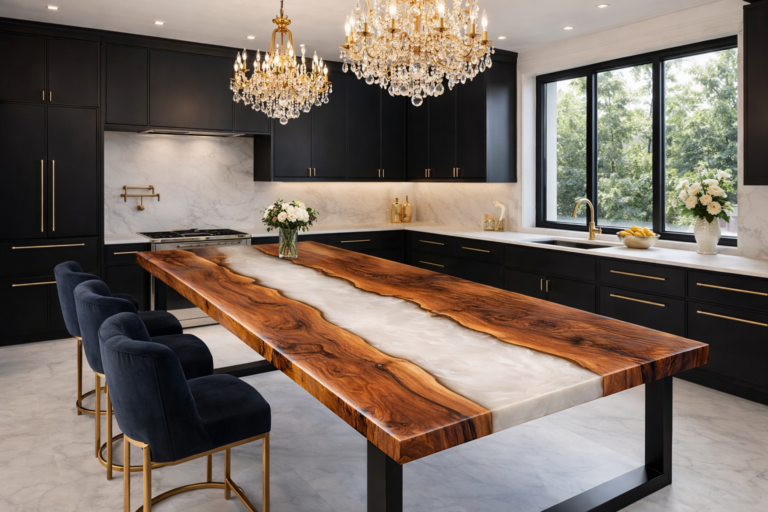
It is barely a decade old, it was originally made with glass, and its ancestor was a Pennsylvania workshop that treated timber as a collaborator.
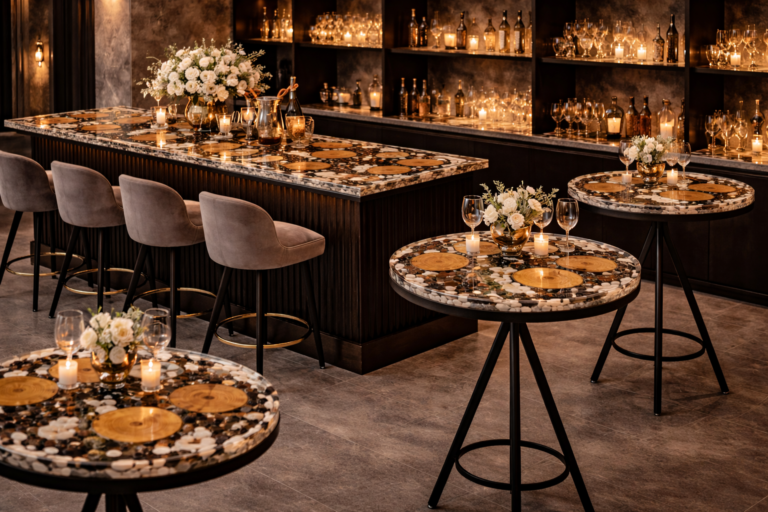
Written for operators and designers rather than homeowners. The dimensions, the durability questions and what to send us for a quote.
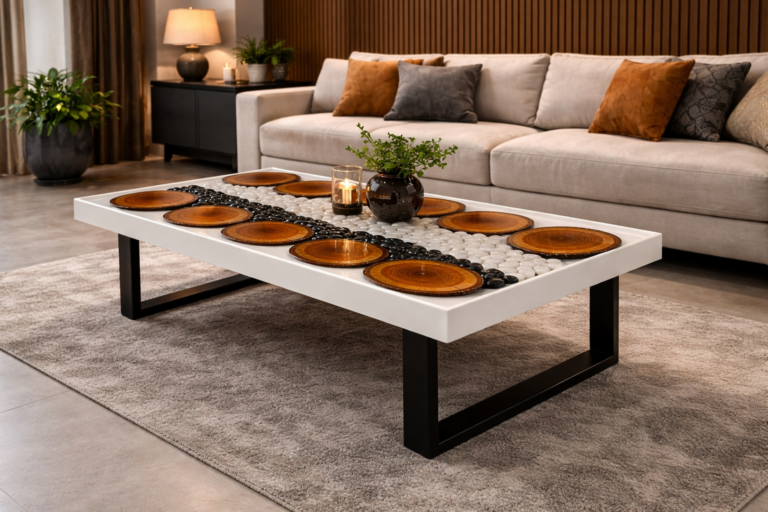
Most marks on a resin surface are not damage — they are residue. How to tell the difference before you reach for anything abrasive.
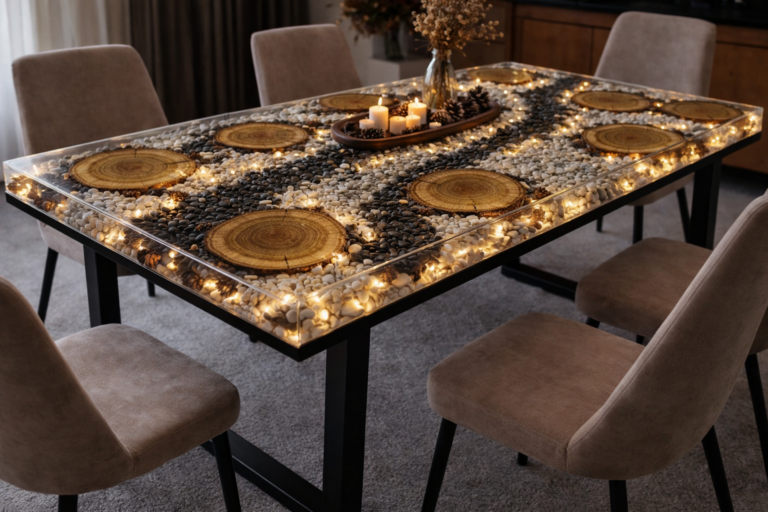
Real numbers, where they come from, and what a suspiciously low quote is quietly leaving out.
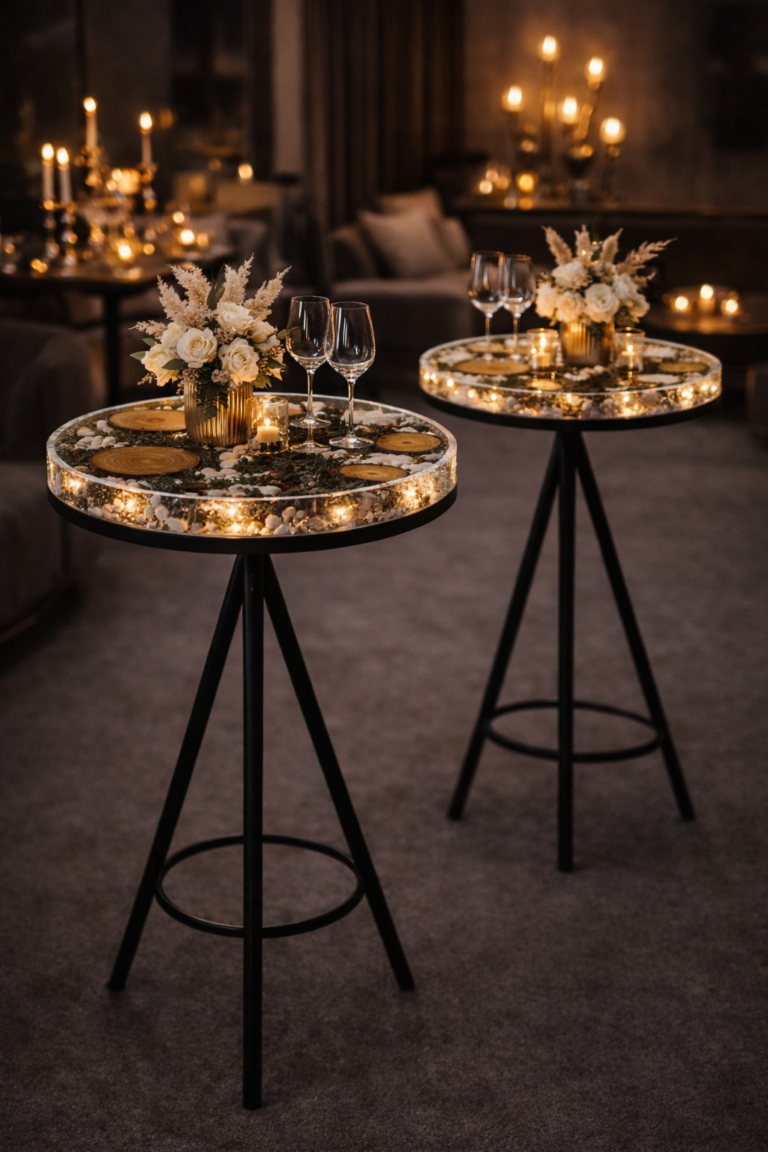
Twenty-five to thirty days is the making. It is not the whole answer. How to count backwards from the date that actually matters.
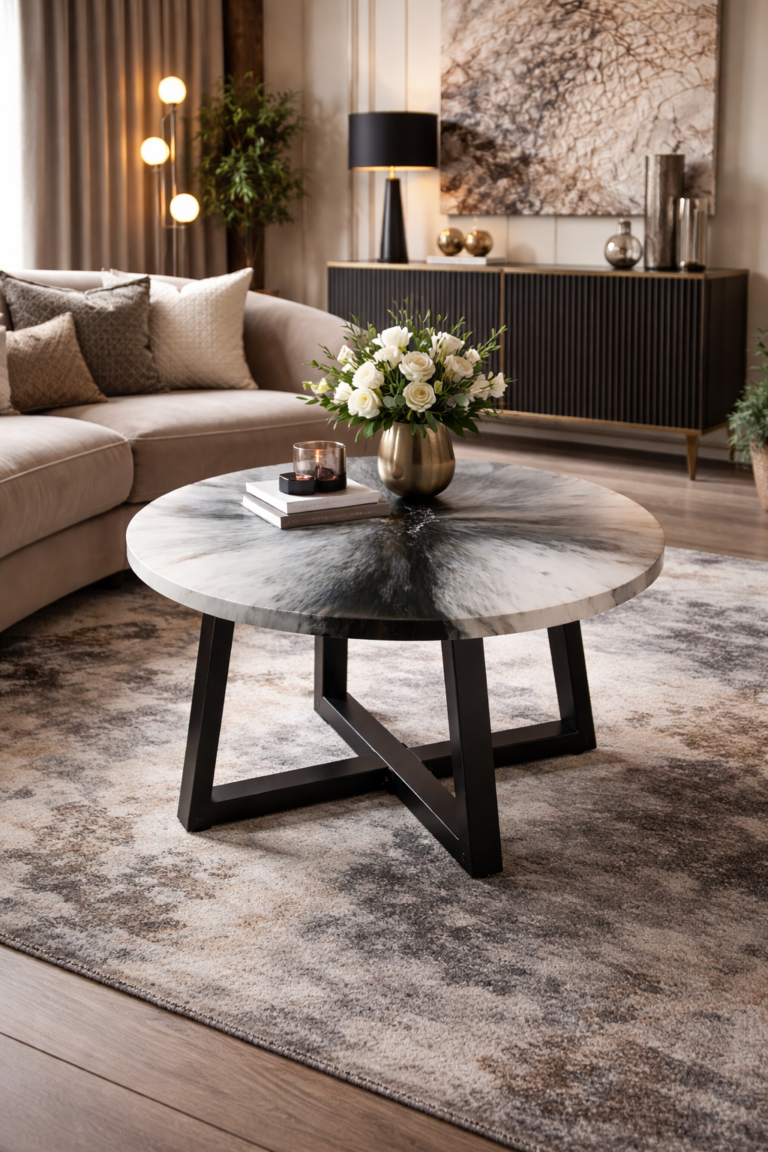
The single decision that changes a table more than the wood does. Four finishes, what each does to a room, and the one that is hardest to get right.
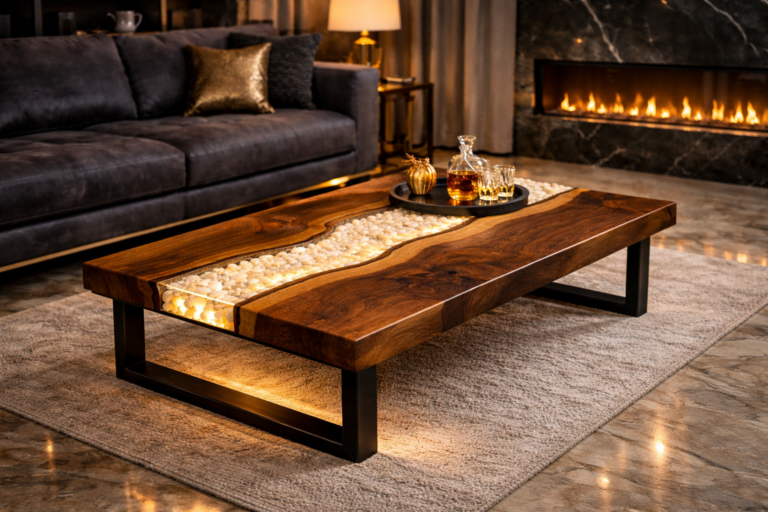
The irregular outer line of a slab is the most copied and least understood detail in modern furniture. What it is, and what separates a real one from a shaped one.
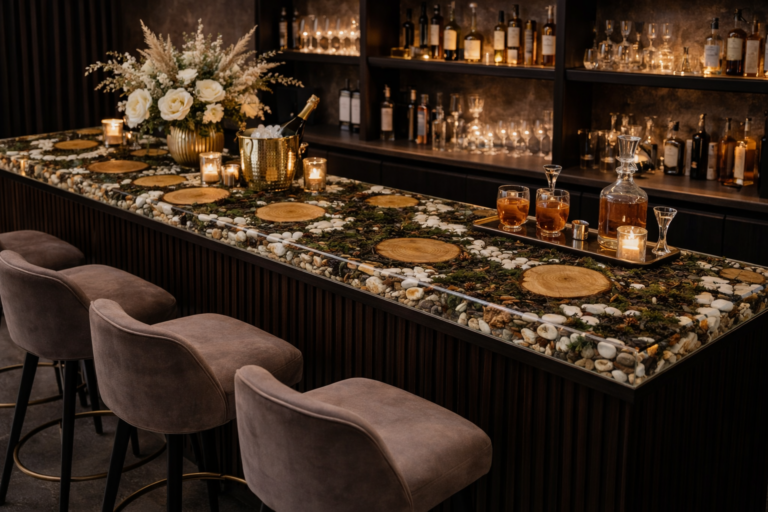
The table fits the room. The question is whether it fits the staircase. What to measure before delivery day, and what happens when it arrives.